How Much Does It Cost to Build an MVP in Berlin in 2026?
Berlin founders: a complete breakdown of MVP development costs in 2026, how Germany's EXIST and KfW funding can offset your build costs, GDPR requirements, and smarter approaches to shipping your first product.

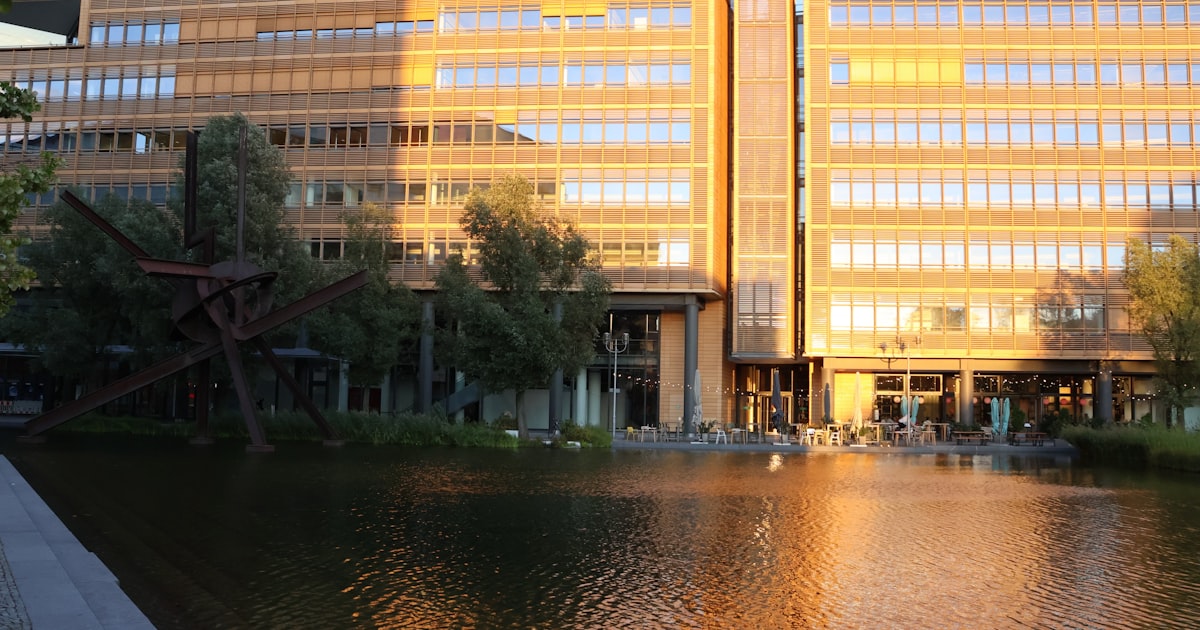
If you're a non-technical founder in Berlin trying to figure out what your MVP will cost, you've probably gotten wildly different answers. A Mitte agency quoted you €120K. Someone at Factory Berlin said to do it lean for €20K. A developer friend said you should apply for EXIST first. Here's what the Berlin market actually looks like in 2026 — costs, funding, and the practical path forward.
Berlin's Startup Ecosystem
Berlin's startup community is one of the richest in Europe:
- Rocket Internet (alumni network): Berlin's most famous startup studio — its alumni now run and invest in dozens of companies across Europe
- Factory Berlin: Major innovation campus with coworking, events, and community
- Silicon Allee: Community hub and media platform for Berlin tech startups
- Startup Berlin: Events and networking for early-stage founders
- APX (Axel Springer and Porsche accelerator): Media-focused accelerator with strong backing
- Fluxum / Fintech Hub Berlin: For fintech founders
- Humboldt Institut für Internet und Gesellschaft (HIIG): Research and startup connections
- Fraunhofer Gesellschaft: Massive research institute network with commercialization programs
Berlin's VC ecosystem includes: Project A, Cherry Ventures, Earlybird, Holtzbrinck Ventures, Point Nine Capital, and dozens of international funds with Berlin presence.
What Software Development Costs in Berlin
Berlin developer rates are lower than London or San Francisco, but have risen significantly since 2020 as the ecosystem has matured:
- Senior developer (agency): €90–€150/hr
- Mid-level developer: €65–€110/hr
- UX/UI designer: €70–€120/hr
- Full MVP (agency, 3–4 months): €50,000–€120,000
Berlin has a large freelance developer community — many talented developers prefer freelance to employment, which keeps the freelance market competitive and accessible. However, managing a freelance team without technical expertise adds complexity.
English is widely spoken in Berlin's tech community, so language is generally not a barrier for non-German founders.
German and EU Funding Programs
Berlin founders have access to an exceptional stack of public funding:
EXIST (Bundesministerium für Wirtschaft und Energie)
- EXIST Gründerstipendium: €3,000–€4,000/month salary support for university-connected founding teams, plus €30,000–€80,000 for development costs
- EXIST-Forschungstransfer: Up to €500,000 for science-based startup projects
If you have a university connection (HU Berlin, TU Berlin, FU Berlin, or any German university), EXIST is one of the best deals in the world for early-stage founders. Apply early — the process takes 2–4 months.
INVEST (Business Angel Grant)
German government grants investors a 20% tax credit on investments in eligible startups — directly equivalent to the UK's SEIS/EIS. This makes angel fundraising in Germany more accessible than in most countries.
KfW (Kreditanstalt für Wiederaufbau)
Germany's state development bank:
- ERP-Gründerkredit: Loans at subsidized rates for startups
- ERP-Innovationsfinanzierung: For R&D-intensive projects
- KfW Start!: New program for early-stage startups
Horizon Europe
EU-level R&D funding accessible to Berlin companies:
- EIC Accelerator: Grants up to €2.5M + equity investment up to €15M for breakthrough innovations
- EIC Pathfinder: For early-stage deep tech research
The EIC Accelerator is highly competitive but genuinely transformative for deep tech founders. Apply with university research backing if possible.
The GDPR Reality for Berlin Founders
Building in Germany means GDPR compliance from day one — not an afterthought. This affects your MVP in specific ways:
- Data residency: Many German enterprise customers require EU data storage (often Germany specifically)
- Cookie consent: More complex than what US founders typically build
- Privacy notices and terms: Must be in German for German users
- Data processing agreements: Required before using most third-party services
This doesn't mean your MVP needs to be a compliance document. But you need to use GDPR-compliant tools from the start, architect your database for "right to erasure," and have a basic privacy notice in German.
Work with a German Datenschutz (data protection) consultant for 2–3 hours before you start building. It costs €500–€1,500 and saves you from expensive rebuilds later.
What Berlin Does Best: The Startup Categories
B2B SaaS: Berlin has produced some of Europe's best B2B SaaS companies — particularly in enterprise software, HR tech, and operations. If you're building for European businesses, Berlin gives you exceptional proximity to customers.
ClimateTech: One of Europe's most active climate tech ecosystems — driven by German climate consciousness and policy.
Future of Work and HR Tech: Companies like Personio and Workpath came from Berlin. The European HR software market is large and underserved.
E-commerce and Retail Tech: Zalando's home market — deep expertise in the category.
Health Tech: Berlin's health system and research institutions create partnership opportunities.
Building Your Berlin MVP: The Practical Path
Step 1: Validate with European Customers (Weeks 1–3)
Berlin gives you access to German, Austrian, and broader European customers. German B2B buyers are thorough and demanding — but a German design partner is a meaningful validation signal.
Step 2: Explore EXIST Before Spending (Weeks 1–4)
If you have any university connection, apply for EXIST Gründerstipendium before spending your own money. It covers salary and development costs with zero equity taken.
Step 3: Build with AI-Powered Tools (Weeks 4–10)
Use an AI-powered studio like Joistic to build a production-quality MVP in 4–6 weeks. For non-technical Berlin founders, this is the fastest path to something real and investor-ready.
Step 4: Apply for KfW and Early Angel Rounds
Germany's angel market, with the INVEST grant making investments more attractive for angels, is accessible. Berlin's community makes introductions possible.
GDPR compliance in Germany is not a post-launch checklist item — it's an architectural decision. Before you write a single line of code, spend €500–€1,500 on 2–3 hours with a German Datenschutz consultant. They'll tell you which third-party services are compliant, how to structure your database for right-to-erasure requests, and what your privacy notice needs to say in German. Rebuilding your data model after launch because it can't support GDPR deletion requests is one of the most expensive mistakes Berlin founders make.
Realistic Cost Comparison for Berlin Founders
| Approach | Timeline | Cost (EUR) |
|---|---|---|
| Berlin premium agency | 3–5 months | €70K–€130K |
| Mid-tier Berlin agency | 3–4 months | €45K–€85K |
| AI-powered studio (Joistic) | 4–6 weeks | €16K–€40K |
| Eastern European agency | 3–5 months | €20K–€50K |
| Vibe-coded prototype (self) | 1–2 weeks | <€2K |
Berlin is an exceptional city to build a European tech startup. The talent, community, and funding programs are world-class — and the cost of living remains more manageable than London or Paris.
Before you get quotes from agencies, it helps to talk through your idea with someone who can help you scope it honestly. That's exactly what our free consultation at Joistic is for — no sales pitch, just clarity on what it would actually take to build. Book a free call →
Startup & Product Advisors
Joistic helps non-technical founders ship launch-ready MVPs fast — lean pods, AI-accelerated delivery, and product clarity from idea to launch.